
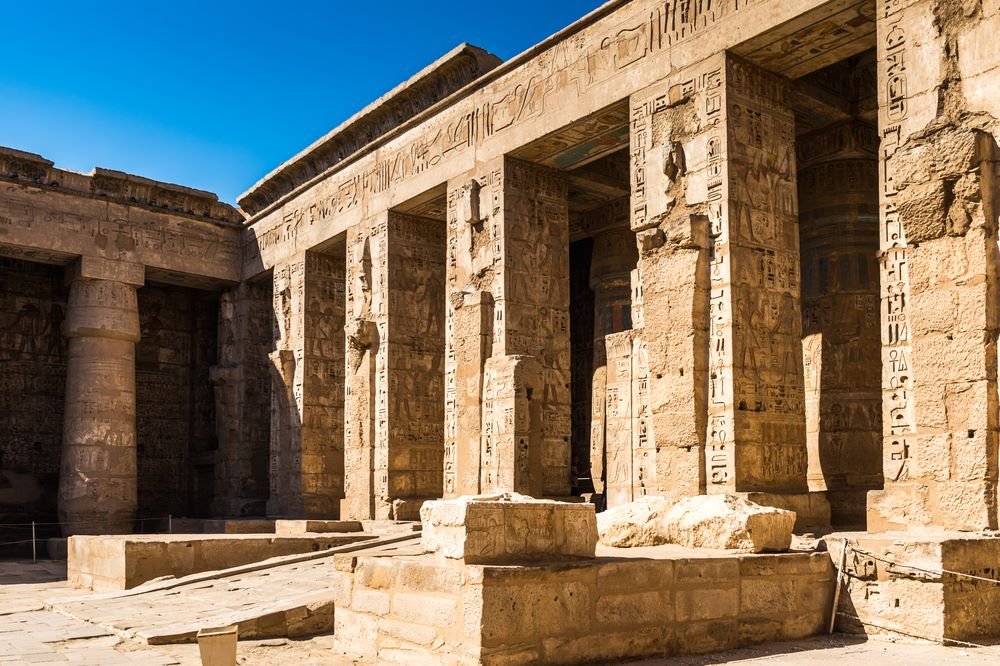
Egypt is not only about the pyramids and the Nile—it is also home to one of the most magnificent and historic temples in the world: Medinet Habu Temple. Located on the West Bank of Luxor, this grand mortuary temple of Ramesses III attracts travelers, history lovers, and culture seekers with its monumental architecture, vivid reliefs, and timeless aura. This article will explore the wonders of Medinet Habu and why it should be on your Egypt travel list.
The Sacred Setting: Luxor and the Legacy of Ramesses III
Built in the 12th century BC by Pharaoh Ramesses III, Medinet Habu served as both a mortuary temple and a place of worship for the god Amun. Its massive walls and fortified gateways gave it the appearance of a royal citadel, making it unique among Egypt’s temples. The temple stands today as a living testament to the power and devotion of one of Egypt’s warrior kings.
A Living Temple with Ancient Treasures
Medinet Habu is one of the best-preserved temples of the New Kingdom. Inside its vast complex, visitors can find:
- Towering pylons decorated with scenes of battles and festivals
- Courtyards and hypostyle halls filled with colorful reliefs
- Inscriptions recording the victories of Ramesses III against the Sea Peoples and Libyans
- Shrines dedicated to Amun and other deities, preserved for centuries
Spiritual and Cultural Significance
The temple is not only a monument to Ramesses III but also a cultural archive. Its walls narrate stories of war, religion, and daily life, offering a glimpse into the grandeur of ancient Egypt. Walking through its halls, visitors feel connected to the pharaohs who shaped history and the artisans who immortalized their legacy in stone.
Exploring Luxor’s West Bank
Beyond Medinet Habu, Luxor’s West Bank offers a treasure trove of wonders:
- The Valley of the Kings, where Tutankhamun and other pharaohs rest
- The Ramesseum and other mortuary temples
- Panoramic views of the Nile and desert landscapes
Together, these sites create an unforgettable journey through Egypt’s golden age.
Egyptian Hospitality in Luxor
Visiting Medinet Habu is more than a historical experience—it’s also a cultural one. Local communities welcome travelers with warm hospitality, traditional food, and crafts that reflect Egypt’s living heritage. This blend of history and culture enriches every visit.
Safety and Accessibility
Medinet Habu is a secure and well-maintained site, regularly visited by international travelers. Guided tours from Luxor make the journey convenient, with professional guides bringing the temple’s stories to life.
Frequently Asked Questions (FAQs)
Q1: Why is Medinet Habu famous?
It is one of the largest and best-preserved mortuary temples in Egypt, built by Ramesses III, and renowned for its detailed battle reliefs.
Q2: Can visitors enter the temple?
Yes, visitors can explore its courtyards, halls, and shrines, with many reliefs still vividly preserved.
Q3: What is the best time to visit Medinet Habu?
From October to April, when the weather in Luxor is cooler and more comfortable for exploring.
Q4: How do I get to Medinet Habu?
It is located on Luxor’s West Bank, about 15 minutes by car from the city center. Tours often include Medinet Habu along with the Valley of the Kings and other temples.
Q5: Is it safe to visit Medinet Habu?
Yes, the site is secure and regularly visited by travelers worldwide. Guided tours ensure a smooth and enriching experience.
Conclusion
Visiting Medinet Habu in Luxor is more than a trip—it is a journey into Egypt’s history, spirituality, and culture. From the towering pylons to the vivid reliefs of Ramesses III’s victories, every corner of the temple tells a story that has shaped civilizations. Combined with the beauty of Luxor’s West Bank and the warmth of Egyptian hospitality, this destination offers an unforgettable experience for travelers seeking both history and adventure.